
Truck and E-Rickshaw Safety Ratings Coming Soon: What It Means for Indian Roads
In a major move to enhance road safety, India is set to roll out a new safety rating system for trucks and e-rickshaws. This initiative, announced by Union Minister Nitin Gadkari, aims to improve vehicle safety standards similar to the Bharat NCAP for passenger vehicles. The changes are expecte...
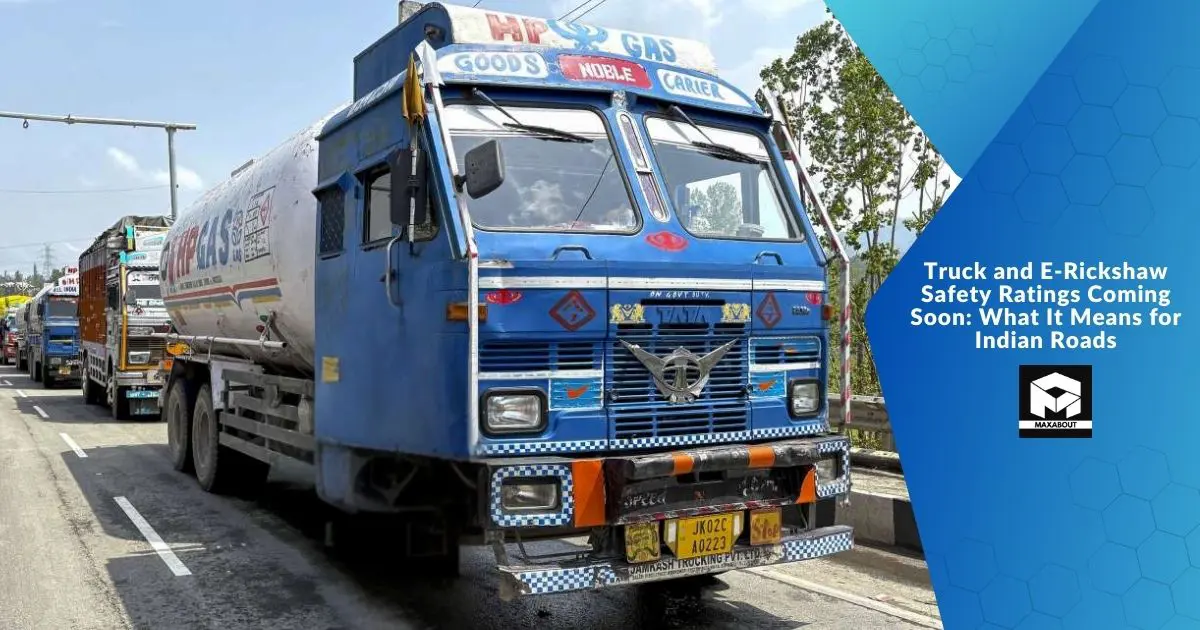
In a major move to enhance road safety, India is set to roll out a new safety rating system for trucks and e-rickshaws. This initiative, announced by Union Minister Nitin Gadkari, aims to improve vehicle safety standards similar to the Bharat NCAP for passenger vehicles. The changes are expected to address the growing concerns about road safety and vehicle quality in the country.
The Indian government is making a big push for safer roads. Nitin Gadkari recently announced that they're rolling out a safety rating system for trucks and other commercial vehicles. This is a big deal because it's modeled after the Bharat NCAP program for passenger cars. The goal is simple: get manufacturers to build safer vehicles. This initiative was announced during a workshop on Vehicle and Fleet Safety, organized by Global NCAP and the Institute of Road Traffic Education (IRTE).
This new system has a few key goals:
The introduction of safety ratings is expected to have a significant impact on manufacturers. They'll need to invest in better materials, improved designs, and advanced safety features to achieve high ratings. This could lead to increased production costs, but it will also drive innovation and ultimately result in safer vehicles for everyone.
Here's what manufacturers might need to focus on:
So, the government is taking a page from the Bharat NCAP playbook and applying it to trucks and other commercial vehicles. It's about time, right? The goal is simple: get manufacturers to build safer vehicles. This initiative was announced during a workshop organized by the Global New Car Assessment Programme (GNCAP) and the Institute of Road Traffic Education (IRTE).
Bharat NCAP, or the New Car Assessment Program, is basically a system where cars get star ratings based on how safe they are in crash tests. It's been around for passenger vehicles, and now they're looking to bring that same level of scrutiny to commercial vehicles. The idea is that if manufacturers know their vehicles will be tested and rated, they'll be more motivated to improve safety features. It's all about transparency and giving consumers more information to make informed decisions. This will help reduce road fatalities.
Okay, so how does this work for trucks? Well, the government wants trucks to meet high safety standards, just like passenger cars. This means things like better structural integrity, advanced braking systems, and maybe even driver-assist technologies. The exact details of the testing process are still being worked out, but the general idea is to create a system that's both rigorous and fair. The hope is that this will lead to a significant reduction in accidents and injuries involving trucks.
Ultimately, this is about making our roads safer for everyone. By implementing a Bharat NCAP-style system for trucks, the government is sending a clear message that safety is a top priority. The ministry is preparing legislation to regulate working hours for truck drivers.
The government is rolling out a "Star Rating" system to address the safety issues with e-rickshaws. This is a big deal because, for many, e-rickshaws are the most affordable way to get around. The goal is to make them safer and more reliable. safety assessment system will help.
E-rickshaws will be limited to a maximum speed of 25 km/h. This is to prevent accidents caused by speeding, which is a common problem. It seems some manufacturers and owners mess with the speed-limiting devices, which is super dangerous. This new rule should help keep things in check.
E-rickshaws need to be built better. The government wants to make sure they're structurally sound, so they don't fall apart easily. This includes things like:
Making e-rickshaws safer isn't just about preventing accidents. It's also about creating more jobs and improving the overall quality of these vehicles. Plus, things like windshield wipers and speedometers are a must.
India is facing a huge road safety problem. We have a really high number of accidents and deaths compared to other countries. To give you an idea, there are about 480,000 crashes every year, and around 180,000 people die because of them. It's a serious issue that needs attention.
The government is trying to make things better. Their main goals are:
The government wants to cut down on accidents and make sure everyone is safer on the road. They know it's a big job, but they're working on it.
One of the things they're doing is looking at how long truck drivers work. Many drivers are on the road for 13 or 14 hours a day, which is not safe. The government is trying to make rules about working hours to make sure drivers get enough rest. They're also setting up driving schools to train more people to be truck drivers. Plus, they're adding things like air conditioning and better driving systems to trucks to help drivers stay safe.
The government is planning to set up 32 modern driving training institutes across India. This is a big step to address the shortage of skilled truck drivers. These institutes will provide comprehensive training, equipping drivers with the skills needed to operate commercial vehicles safely and efficiently. The goal is to improve driver skills and reduce accidents caused by inadequate training.
Truck drivers in India often work long hours, sometimes driving for 13-14 hours a day. This can lead to fatigue and increase the risk of accidents. The Ministry is working on legislation to regulate working hours for truck drivers. This will help ensure that drivers get enough rest and are not overworked. This regulation aims to improve road safety by addressing driver fatigue, a significant factor in accidents.
Beyond establishing training institutes, there's a push to enhance the overall skill set of truck drivers. This includes not only basic driving skills but also training in areas like vehicle maintenance, safe driving practices, and emergency response. The government is also exploring ways to integrate technology into driver training programs. This comprehensive approach aims to create a more professional and skilled trucking workforce, ultimately leading to safer roads.
India's move to improve vehicle safety isn't happening in isolation. A key part of this effort involves working closely with global organizations, particularly GNCAP (Global New Car Assessment Programme). GNCAP's experience in developing safety rating systems for cars in other markets is proving invaluable as India adapts these models for trucks and e-rickshaws. The collaboration allows India to learn from established best practices and avoid common pitfalls in implementing safety standards.
The Institute of Road Traffic Education (IRTE) is playing a significant role in conducting safety workshops and training programs. These workshops are designed to educate stakeholders, including manufacturers, drivers, and policymakers, about the importance of vehicle safety and the new rating systems. IRTE's involvement helps to ensure that the implementation of safety standards is well-informed and effective. They bring a wealth of knowledge and practical experience to the table, bridging the gap between theoretical standards and real-world application.
Adopting international best practices is at the heart of India's strategy. This means looking at what's worked in other countries and adapting those approaches to the Indian context. It's not just about copying standards but understanding the underlying principles and tailoring them to the specific challenges and opportunities in India. This includes considering factors like road conditions, traffic patterns, and the types of vehicles commonly used.
By aligning with global standards and collaborating with international organizations, India aims to create a vehicle safety ecosystem that is both effective and sustainable. This approach not only improves safety for Indian drivers and passengers but also enhances the competitiveness of the Indian automotive industry on the global stage.
Looking ahead, the goal is to create a commercial vehicle landscape where safety is not just a feature, but a core principle. We're talking about a future where truck safety standards are on par with the best in the world, significantly reducing accidents and saving lives. This involves continuous improvement in vehicle design, materials, and technology. It's not just about meeting minimum requirements, but about pushing the boundaries of what's possible in commercial vehicle safety.
Technology will play a huge role in the future of commercial vehicle safety. Think about it:
The integration of these technologies into the safety rating system will provide a more accurate and comprehensive assessment of vehicle safety. It's about using data to make smarter decisions and create safer roads for everyone.
No amount of technology or regulation will work if people aren't aware of the importance of safety. That's why public awareness campaigns are so important. These campaigns will focus on:
The aim is to create a society where everyone understands their role in road safety, from the manufacturers building the vehicles to the drivers operating them, and the pedestrians sharing the roads. Ultimately, it's about making our roads safer for everyone.
As India gears up to roll out these new safety ratings for trucks and e-rickshaws, there's a sense of hope for better road safety. With the government pushing for higher standards, manufacturers will need to step up their game. This could mean safer vehicles on the roads, which is a win for everyone. Plus, the focus on e-rickshaws is crucial, especially since they’re so popular in urban areas. If these changes lead to fewer accidents and better quality vehicles, it’ll be a step in the right direction. Let’s keep our fingers crossed that these initiatives make a real difference.
The Indian government is introducing a safety rating system for trucks and e-rickshaws to improve safety standards, similar to the Bharat NCAP for cars.
Trucks and e-rickshaws are important for transportation in India, but they often have safety issues. The government wants to make them safer for everyone.
The new ratings will encourage manufacturers to improve the quality and safety features of their vehicles, leading to better products.
E-rickshaws will be limited to a maximum speed of 25 kilometers per hour to enhance safety.
The main goal is to reduce road accidents and fatalities by ensuring that vehicles meet higher safety standards.
The government plans to set up driving institutes to train truck drivers better and regulate their working hours to prevent fatigue.
Maxabout Team
Editorial Team
Specializes in: Automotive News, Reviews, Analysis
Continue Reading
Scroll down or click the button above to load more articles
Want to read more automotive news?
Stay updated with the latest car launches, reviews, and industry insights.
Browse All News