
Mahindra Leads Commercial EVs in 2025
Mahindra has once again proven its dominance in the commercial electric vehicle (EV) market, securing the top spot for the fourth consecutive year. As a key player in this rapidly growing sector, Mahindra Last Mile Mobility Limited has shown remarkable growth and innovation, solidifying its reputat...
Mahindra has once again proven its dominance in the commercial electric vehicle (EV) market, securing the top spot for the fourth consecutive year. As a key player in this rapidly growing sector, Mahindra Last Mile Mobility Limited has shown remarkable growth and innovation, solidifying its reputation as a leader in electric transportation solutions. With a strong focus on customer needs and sustainable practices, the company continues to pave the way for the future of commercial EVs in India.
Mahindra Last Mile Mobility Limited (MLMML) has proudly secured its position as India's No.1 commercial electric vehicle manufacturer for the fourth consecutive year. This achievement underscores the company's sustained commitment and strategic prowess in the rapidly evolving EV sector. It's not just about selling vehicles; it's about maintaining a trajectory of growth in a competitive market. This consistent performance highlights Mahindra's ability to adapt and thrive, setting a benchmark for others in the industry. The company's success story is a testament to its robust business model and customer-centric approach.
Mahindra's dominance isn't just about consecutive wins; it's backed by substantial market share. Currently, Mahindra holds a significant 37.3% market share in the L5 category, solidifying its role as a primary driver in the segment's expansion. This impressive figure reflects the brand's strong customer preference and the effectiveness of its product offerings. Maintaining such a large share requires continuous innovation and a deep understanding of market dynamics.
Mahindra's leadership isn't going unnoticed. The company's achievements have garnered recognition within the automotive industry, reinforcing its reputation as a key player in the commercial EV space. This recognition extends beyond sales figures, encompassing the brand's contribution to sustainable mobility and its impact on the broader EV ecosystem. The Mahindra Zeo launch further cements their position as innovators in the commercial EV market.
Mahindra's success is a result of a focused strategy, innovative products, and a commitment to customer satisfaction. The company's ability to maintain its leadership position for four consecutive years is a testament to its resilience and adaptability in a dynamic market environment.
Mahindra's success in the commercial EV space isn't just about volume; it's also about having the right products. They've been actively developing and rolling out a range of electric vehicles tailored to different needs, and that's a big part of why they're on top.
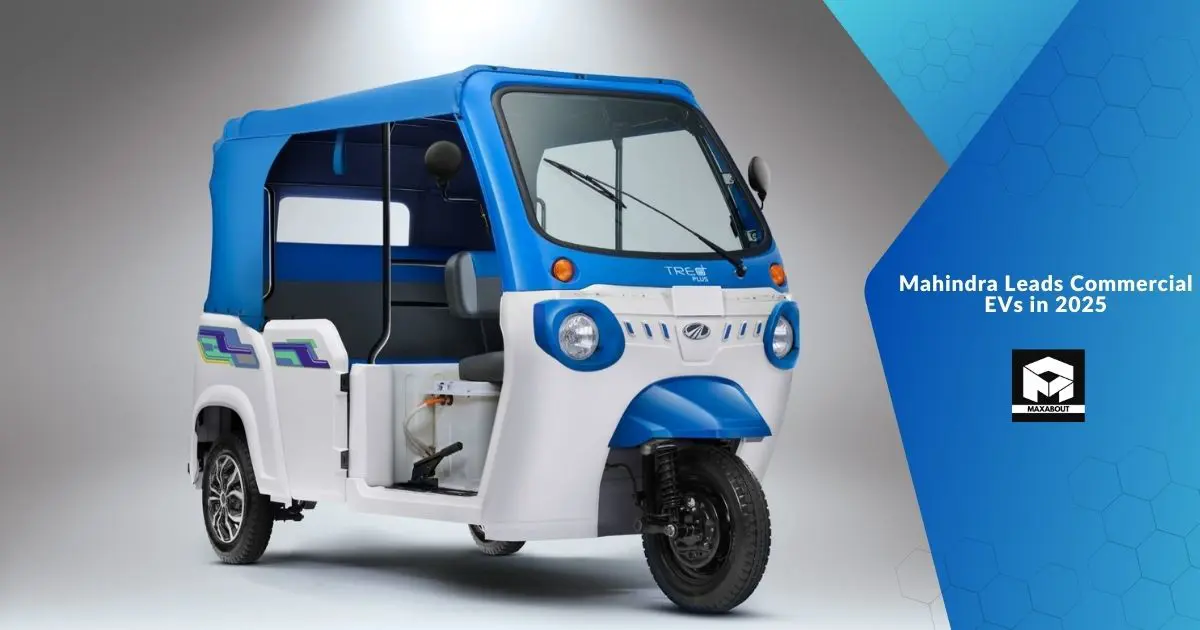
Mahindra has a strong presence in the electric three-wheeler market. These vehicles are perfect for navigating crowded city streets and are increasingly popular for last-mile delivery and passenger transport. They've got a few different models, each designed for specific use cases, whether it's carrying goods or people. The Treo auto is a good example of this.
While 3-wheelers are their bread and butter, Mahindra is also pushing into the electric four-wheeler segment. This is a smart move, as it opens up new markets and caters to businesses that need more cargo space or passenger capacity. The eVerito was an early example, and it shows Mahindra's commitment to expanding its EV range.
One of the more interesting things Mahindra has done is introduce a Battery-as-a-Service (BaaS) model. This is a game-changer because it lowers the initial cost of owning an EV. Instead of buying the battery, customers lease it, which makes electric vehicles more accessible. Plus, it takes away worries about battery life and replacement costs. It works like this:
BaaS is a smart move. It addresses two major concerns for EV buyers: the high initial cost and worries about battery life. By separating the battery cost from the vehicle, Mahindra is making EVs more attractive to a wider range of customers. It's a win-win situation.
This strategy helps drive adoption and makes Mahindra Last Mile Mobility even more competitive.
Mahindra's consistent performance has significantly boosted the overall EV penetration in the commercial vehicle segment. The numbers speak for themselves. In FY25, the EV penetration reached 24.2%, a notable jump from 16.9% in FY24. This increase highlights the growing acceptance and adoption of electric commercial vehicles, with Mahindra's Treo and Zor brands playing a crucial role. It's not just about selling vehicles; it's about changing the landscape of transportation.
While Mahindra has secured the top spot, it's important to look at how they stack up against the competition. Other players like Tata Motors and Ashok Leyland are also making strides in the EV market. However, Mahindra's focused approach on the 3W and 4W commercial segments has given them a distinct advantage. Their Mahindra Zeo launch with BaaS pricing is a good example of how they're trying to stay ahead of the curve. Here's a quick look at the market share:
The commercial EV market is dynamic, with several key trends shaping its future. One notable trend is the increasing demand for electric 3-wheelers for last-mile connectivity. Another is the growing interest in electric 4W commercial vehicles, driven by factors like lower operating costs and environmental concerns. The market is also seeing a shift towards innovative pricing models like BaaS, making EVs more accessible to a wider range of customers.
The future of the commercial EV market looks promising, with continued growth expected in the coming years. Factors such as government incentives, falling battery prices, and increasing awareness of environmental issues are expected to drive further adoption. Mahindra's continued focus on innovation and customer-centric solutions will be key to maintaining its leadership position.
Mahindra's success in the commercial EV space isn't just about making vehicles; it's about understanding and responding to what customers actually need and want. They've put a lot of effort into making sure their EVs are not only good for the environment but also good for business.
Mahindra actively listens to its customers. This feedback loop is a cornerstone of their design process. For example, the launch of the Treo with a metal body directly addressed customer requests for a more durable vehicle. It's this kind of responsiveness that builds trust and shows customers they're being heard. They don't just assume what people want; they ask.
Mahindra's customer base is growing, and it's not just because EVs are becoming more popular. It's because Mahindra is making EVs accessible to a wider range of businesses. They're doing this through various initiatives, including flexible financing options and partnerships with local communities. The BaaS (Battery as a Service) pricing strategy for the Zeo is a prime example of making EV ownership more affordable and appealing.
It's not just about buying the vehicle; it's about the whole experience of owning and using it. Mahindra is working on making that experience as smooth as possible. This includes things like:
By focusing on these areas, Mahindra is aiming to make EV ownership a hassle-free and rewarding experience for its customers. They understand that happy customers are the best advocates for their brand.
Mahindra isn't resting on its laurels. They're pushing forward with some pretty interesting plans to stay ahead in the commercial EV game. It's not just about making more electric vehicles; it's about making better ones and expanding their reach.
Mahindra is gearing up to launch new models with advanced features. Expect to see improvements in battery technology, range, and overall performance. They're also working on integrating more smart features into their vehicles, like advanced driver-assistance systems (ADAS) and better connectivity. I'm personally excited to see what they come up with next. It's all about making the driving experience smoother and more efficient. They are also expanding international operations to reach new markets.
Sustainability is a big deal for Mahindra. They're aiming to reduce their carbon footprint across the board. This includes:
Mahindra is committed to a greener future. They're not just making electric vehicles; they're trying to make their entire operation more sustainable. This is a long-term commitment, and they're taking steps to make a real difference.
Mahindra understands that they can't do it all alone. They're actively seeking out strategic partnerships to help them grow and innovate. This includes:
These partnerships are key to Mahindra's growth and will help them stay competitive in the rapidly evolving EV market.
Mahindra's push into the electric commercial vehicle market isn't just about cars; it's about jobs. The shift towards EV manufacturing, sales, and maintenance creates new opportunities. Think about it: factories need workers to assemble vehicles, dealerships need salespeople to showcase them, and service centers need technicians to keep them running. It's a whole new ecosystem of employment.
When Mahindra invests in EV production, it often means investing in local communities. This can take the form of:
These investments can lead to increased tax revenue for local governments, which can then be used to improve schools, roads, and other public services. It's a ripple effect of economic growth.
The most obvious benefit of EVs is their reduced environmental impact. Commercial vehicles, which often travel long distances and operate frequently, contribute significantly to air pollution. By switching to electric, businesses can:
And it's not just about emissions. EVs also produce less noise pollution, creating quieter and more livable communities.
In conclusion, Mahindra's reign as the top player in the commercial EV market for the fourth year running shows just how well they understand the needs of their customers. With a solid 37.3% market share, they’ve clearly made a name for themselves in a competitive field. The launch of new models like the Zeo and the success of the Treo lineup highlight their commitment to innovation and customer satisfaction. As they continue to expand and adapt, it’ll be interesting to see how they maintain this momentum. For now, Mahindra is not just leading the pack; they’re setting the pace for the future of commercial electric vehicles in India.
Being No. 1 means Mahindra sells more commercial electric vehicles than any other company in India for four years in a row.
Mahindra offers electric three-wheelers like Treo and Zor, and they have recently introduced their first electric four-wheeler, the Zeo.
Mahindra has consistently increased its market share, reaching 37.3% in the commercial EV sector, showing strong sales and customer interest.
BaaS stands for Battery as a Service, which allows customers to pay for the battery separately from the vehicle, making it more affordable.
They plan to launch new models, focus on sustainability, and create partnerships to enhance their EV offerings.
Mahindra faces competition from other brands, changes in government regulations, and the need to keep up with what customers want.
Maxabout Team
Editorial Team
Specializes in: Automotive News, Reviews, Analysis
Continue Reading
Scroll down or click the button above to load more articles
Want to read more automotive news?
Stay updated with the latest car launches, reviews, and industry insights.
Browse All News