
Leapmotor EV India Debut: Stellantis’ Strategy, Model Lineup, and the Future of Electric Mobility Compared
Stellantis is gearing up to introduce Leapmotor, a Chinese electric vehicle brand, into the Indian market. This move marks a significant step in the ongoing evolution of electric mobility in India, where the demand for EVs is on the rise. With Leapmotor's innovative lineup and Stellantis' establish...
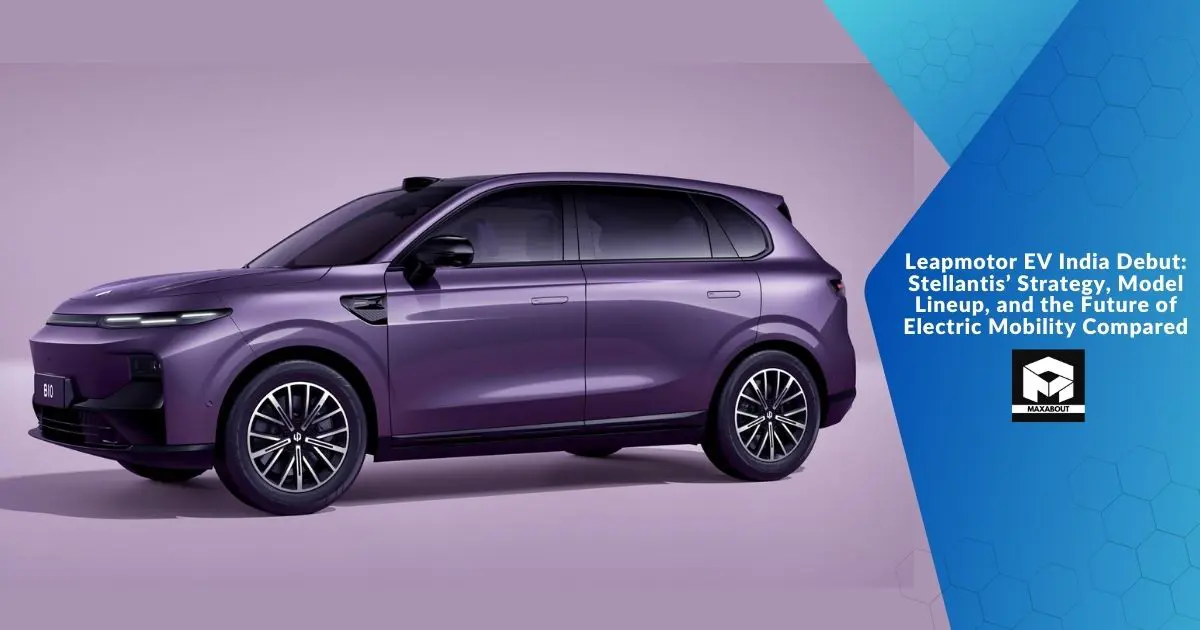
Stellantis is gearing up to introduce Leapmotor, a Chinese electric vehicle brand, into the Indian market. This move marks a significant step in the ongoing evolution of electric mobility in India, where the demand for EVs is on the rise. With Leapmotor's innovative lineup and Stellantis' established presence, the partnership aims to cater to the diverse needs of Indian consumers while pushing for a more sustainable automotive future. In this article, we will explore Leapmotor's entry, the anticipated models, strategic backgrounds, technological innovations, and the broader implications for electric mobility in India.
Stellantis, known for brands like Jeep and Citroën, is planning to launch Leapmotor, a Chinese EV brand, in India before 2025. This move shows how quickly the Indian EV market is growing, with more international brands wanting a piece of the action. It's a big step for Stellantis, showing their commitment to electric mobility in a key market.
Leapmotor, established in 2015, has gained recognition for its innovation in the EV world. In 2024, they sold almost 300,000 vehicles worldwide, doubling their sales from the previous year. One of their key technologies is the cell-to-chassis (CTC) battery design. This approach integrates the battery directly into the vehicle's structure, improving efficiency and space utilization. Leapmotor's global product lineup includes a range of electric vehicles designed to meet diverse customer needs. The lineup includes the C10 SUV; the C01 electric sedan; and the T03, a compact city car.
Stellantis sees Leapmotor as a way to meet the increasing demand for EVs in India. Leapmotor's innovative EVs are expected to appeal to Indian buyers across different segments. Shailesh Hazela, CEO and Managing Director of Stellantis India, expressed excitement about Leapmotor's entry, emphasizing the company's commitment to the Indian market and its global sustainability goals.
Leapmotor's market entry supports Stellantis' goal to accelerate innovation and grow its electric vehicle presence in the rapidly expanding Chinese automotive market. With a shared focus on sustainable mobility, Leapmotor's low-carbon approach aligns with Stellantis' strategy. In 2024, Leapmotor achieved significant growth, delivering nearly 300,000 vehicles and doubling its sales year-over-years.
Okay, so everyone's wondering what Leapmotor cars we might actually see on Indian roads. While Stellantis is keeping things pretty hush-hush, there's some speculation based on what Leapmotor already sells. Most of their lineup is SUVs, which, let's be real, Indians love. So, it makes sense that they'd bring those over. The Leapmotor C10 and C16, being the bigger, fancier SUVs, could be the ones to watch. They'd be aiming for that luxury, tech-focused crowd. But don't count out the little Leapmotor T03. It's a small, city-friendly hatchback that could be a hit with people looking for a cheap and cheerful EV for zipping around town.
Stellantis hasn't spilled the beans yet, but rumors are swirling that the T03 hatchback might be one of the first to arrive. It's a compact EV perfect for city driving, boasting a 37.3 kWh battery with a decent range. Plus, it's got some cool tech features. On the SUV side, the B10 is another possibility. It's been making waves in China for its advanced driver-assistance systems and sleek interior, all at a price that undercuts many of its rivals. It's all about finding that sweet spot between features and affordability.
This is a big one. Whether Leapmotor cars are assembled in India will seriously affect their price. If they're built here, it'll bring the cost down, making them more competitive. Local assembly is key to success in the Indian market, and it's something potential buyers will be watching closely. It's also a sign that Stellantis is serious about investing in India's EV future.
The Union Budget for 2025–26 has increased funding for electric mobility and introduced incentives for EV manufacturing and component localisation. These measures are designed to reduce costs, boost domestic production, and strengthen supply chains.
Here's what we can expect in the coming months:
Leapmotor's arrival in India comes at a good time, with the government pushing for more electric vehicles. The budget for next year has more money for electric mobility and new ways to get companies to make EVs and their parts here. This should help lower costs and make things easier for companies like Leapmotor.
But it's not going to be easy. The CEO of Leapmotor knows that India is a tough market. Not many people know the brand, and people really care about price. Plus, there are already big companies like Tata, MG, and Hyundai that are selling EVs here. Leapmotor needs to have the right cars, price them well, and have good service to do well in India.
Government policies are a big deal for how many EVs get sold. The government is trying to help by giving people money to buy EVs and by making it easier for companies to build them here. For example, they might lower taxes on EV parts or give companies money to build factories. These policies can make EVs cheaper and more attractive to buyers. They also help create jobs and make India a bigger player in the EV world.
Several things are happening in the Indian car market that will affect what Leapmotor does. First, more people are wanting electric cars, but they still want them to be affordable. Second, people want cars with the latest technology, like smart driving features and good connectivity. Third, people are worried about the environment, so they want cars that are clean and green. Leapmotor will need to keep these things in mind when they decide what cars to sell and how to price them. They might focus on cars with good technology but also try to keep the price down. They might also talk about how their cars are good for the environment.
It's important to remember that the Indian car market is always changing. What people want today might not be what they want tomorrow. Leapmotor needs to be flexible and ready to change its plans if it wants to succeed.
Leapmotor is making waves with its cell-to-chassis (CTC) battery technology. This design integrates the battery directly into the vehicle's chassis, skipping the traditional module and pack approach. This does a few things:
It's a pretty innovative approach that could give Leapmotor a real edge in terms of performance and cost.
Leapmotor isn't just about batteries; they're also pushing the envelope with smart driving tech. They're packing their vehicles with advanced driver-assistance systems (ADAS) that include:
And they're not stopping there. Leapmotor is also working on more advanced autonomous driving features, using a combination of sensors, cameras, and radar to electric mobility navigate roads.
Safety is a big deal, and Leapmotor seems to understand that. Their vehicles are designed with a focus on both active and passive safety systems. This includes things like:
Plus, with the integrated battery design, the vehicles have enhanced crash protection. It's all about keeping drivers and passengers safe on the road.
Stellantis already has a foothold in the Indian market with brands like Jeep and Citroën. However, their current EV portfolio is somewhat limited in India. They've been focusing on establishing their presence and understanding the local consumer base. The introduction of Leapmotor is a strategic move to expand their EV electric vehicle presence more aggressively.
Leapmotor brings a fresh approach to the EV market. Their cell-to-chassis (CTC) battery technology and smart driving features could be key differentiators. Unlike some established players, Leapmotor is laser-focused on EVs, allowing them to innovate quickly. Here's what sets them apart:
Stellantis is likely positioning Leapmotor as a tech-forward, premium EV brand. This means they'll be targeting consumers who are looking for advanced features and aren't solely driven by price. This strategy allows them to compete with other international brands while also offering something different from the more established, budget-focused EV options already in the market. The Leapmotor T03 could be a key model in this strategy, offering a blend of technology and affordability.
Leapmotor's entry into India is not just about selling cars; it's about introducing a new approach to electric mobility. By focusing on technology and innovation, they aim to capture a segment of the market that values these aspects above all else.
Indian consumers are a unique bunch. They want value for their money, but they also want the latest tech. It's a tricky balance that Leapmotor needs to nail. They're not just buying a car; they're buying into a lifestyle and a statement. People want something that looks good, performs well, and doesn't break the bank. It's a tall order, but it's the reality of the Indian market. The brand needs to understand the nuances of what drives purchase decisions here.
Price is king in India. It's no secret. Even for EVs, where the initial cost can be higher, consumers are extremely sensitive to the sticker price. If Leapmotor wants to make a splash, they need to figure out how to offer competitive pricing, maybe through local assembly or smart partnerships. It's not just about being cheap; it's about offering the best value for the money. This could involve:
The challenge for Leapmotor is to find that sweet spot where they can offer a compelling product at a price that resonates with Indian buyers. It's a delicate dance, but it's essential for success.
The future of electric mobility in India is bright, but it's not without its challenges. As mobility survey data shows, there's growing interest in EVs, but also concerns about range anxiety and charging infrastructure. Leapmotor needs to address these concerns head-on if they want to capture a significant share of the market. Here are some trends to watch:
Leapmotor's entry into the Indian market isn't just about selling cars; it's also about pushing a greener agenda. They're talking a big game about reducing their carbon footprint, and it seems like they're trying to walk the walk. This includes everything from sourcing materials responsibly to optimizing their manufacturing processes.
Stellantis, being the bigger player here, already has some pretty ambitious sustainability goals. They've committed to significant reductions in their overall environmental impact, and their partnership with Leapmotor could help accelerate those efforts, especially in a growing market like India. It's not just about EVs; it's about the whole lifecycle of the vehicle. Stellantis is aiming for long-term sustainability.
India's EV market is still relatively young, but it's growing fast. The entry of companies like Leapmotor, backed by Stellantis, could really shake things up and push the industry towards more sustainable practices. It's not just about selling electric cars; it's about creating a whole ecosystem that supports green mobility. The government's role in all of this is huge, but consumer demand will ultimately drive the change. It's a complex puzzle, but the pieces are starting to fall into place.
The future of green mobility in India hinges on a collaborative effort between automakers, policymakers, and consumers. It's about creating a system where electric vehicles are not only affordable and accessible but also environmentally responsible throughout their entire lifecycle.
As Leapmotor gears up to enter the Indian market, it’s clear that Stellantis is making a bold move. This could shake things up in the EV scene, especially with the growing demand for electric vehicles in India. Leapmotor’s innovative designs and tech-savvy features might just hit the right notes with Indian consumers. However, it won't be a walk in the park. They’ll need to tackle brand recognition and fierce competition head-on. If they can nail down the right pricing and service strategies, Leapmotor could become a strong player in the Indian EV market. It’s going to be interesting to see how this unfolds in the coming months.
Leapmotor is a Chinese electric vehicle company founded in 2015. It is now partly owned by Stellantis, which holds a 20% share.
Leapmotor plans to enter the Indian market by the end of 2024.
Leapmotor is likely to launch SUVs and compact cars, including models like the C10 and the T03.
It is not confirmed yet if Leapmotor vehicles will be assembled in India, but local assembly is a possibility.
Stellantis sees Leapmotor as a way to meet the rising demand for electric vehicles in India, which is one of the largest car markets in the world.
Leapmotor may struggle with brand recognition and competition from established car makers like Tata and Hyundai.
Maxabout Team
Editorial Team
Specializes in: Automotive News, Reviews, Analysis
Continue Reading
Scroll down or click the button above to load more articles
Want to read more automotive news?
Stay updated with the latest car launches, reviews, and industry insights.
Browse All News