
Hyundai Ioniq 5: Fuel Cost Revolution
In a remarkable showcase of the benefits of electric vehicles, a Hyundai Ioniq 5 owner has reported saving an astonishing Rs 18.2 lakh in fuel costs after driving for 580,000 kilometers. Despite the extensive use, the vehicle's battery health remains impressively high at 88%. This story highlights ...
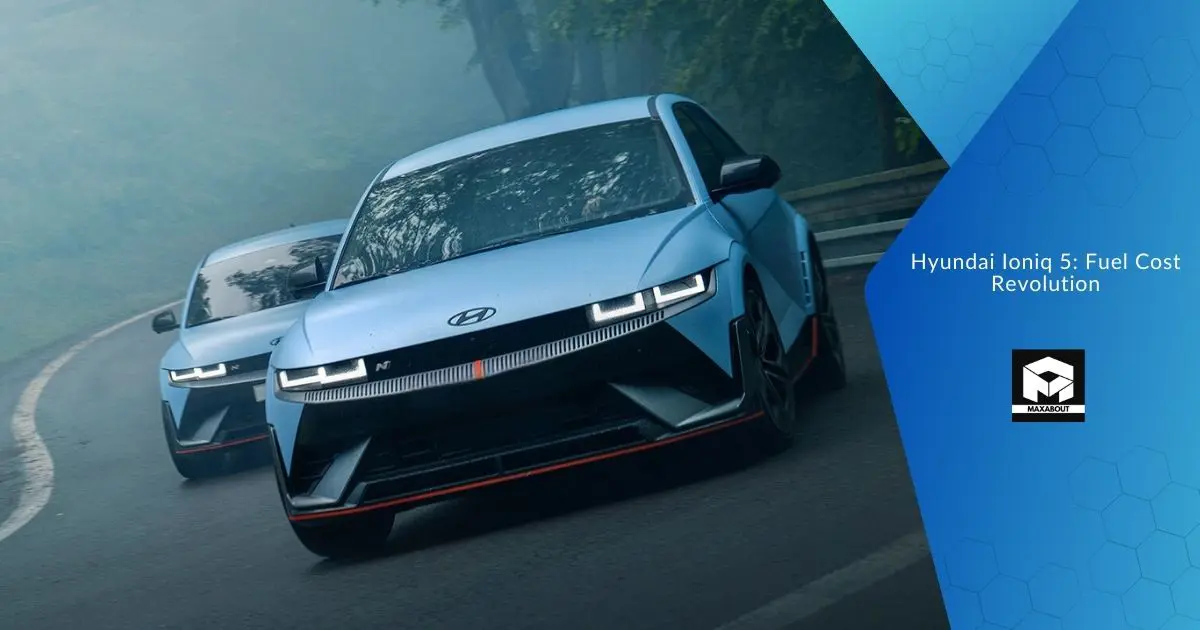
In a remarkable showcase of the benefits of electric vehicles, a Hyundai Ioniq 5 owner has reported saving an astonishing Rs 18.2 lakh in fuel costs after driving for 580,000 kilometers. Despite the extensive use, the vehicle's battery health remains impressively high at 88%. This story highlights the economic advantages and durability of electric vehicles over traditional combustion engines, particularly in the Indian context.
Switching to an electric vehicle like the Hyundai Ioniq 5 can really change your finances, especially when you look at fuel costs. Traditional gasoline cars require constant refueling, which adds up fast. Electric cars, on the other hand, use electricity, which is often cheaper than gasoline, especially if you charge at home during off-peak hours. This difference in energy source is the foundation for the savings we're talking about. It's not just a little bit of savings either; it can be a substantial amount over time. The savings can be even more significant if you compare it to a gas-guzzling SUV versus a fuel-efficient sedan. The type of vehicle you're switching from makes a big difference in how much you'll save.
Over the long haul, the savings from driving an EV can be pretty impressive. Take the Ioniq 5 owner in the article, for example. They saved a whopping Rs 18.2 lakh in fuel costs after driving 5.8 lakh kilometers. That's a huge chunk of change! This kind of savings isn't just a one-time thing; it accumulates over the years as you continue to drive the car. The more you drive, the more you save. It's like getting a continuous discount on your transportation costs. Plus, you're not subject to the fluctuating prices of gasoline, which can be a major headache. With an EV, you have more predictable energy costs, making it easier to budget and plan your finances. This Hyundai Ioniq 5 owner's story really highlights the potential for long-term savings with electric vehicles.
Owning an electric vehicle isn't just about saving money on fuel; it also has a broader impact on your overall financial picture. EVs typically require less maintenance than gasoline cars, which can save you money on things like oil changes and tune-ups. Plus, many governments offer incentives for EV owners, such as tax credits and rebates, which can further reduce the cost of ownership. But it's not just about the money. EVs also have a positive impact on the environment, reducing your carbon footprint and helping to create a cleaner, more sustainable future. It's a win-win situation: you save money, and you help the planet. It's easy to see why more and more people are making the switch to electric vehicles. The long-term benefits are hard to ignore.
Switching to an EV is a big decision, but the potential savings and environmental benefits make it a worthwhile consideration. It's not just about buying a car; it's about investing in a more sustainable and financially sound future.
Here's a simple breakdown of potential savings:
It's natural to wonder how EV batteries hold up over the long haul. The Hyundai Ioniq 5 owner's experience offers some interesting insights into this. Let's take a closer look at what this means for battery durability.
The Ioniq 5's battery retaining 88% health after 5.8 lakh kilometers is a strong indicator of long-term durability. This particular owner, a salesman in South Korea, racked up an impressive amount of mileage in just under three years. What makes this even more remarkable is that he primarily used fast charging stations, which are often thought to accelerate battery degradation. This suggests that modern EV batteries are more resilient than previously believed. It's important to note that individual driving habits and charging patterns can influence battery health, but this case study provides a positive outlook.
When comparing EV battery health to traditional internal combustion engine (ICE) vehicles, the metrics are quite different. With ICE vehicles, you're often dealing with engine wear, oil changes, and potential breakdowns. EVs, on the other hand, have fewer moving parts, which generally translates to less maintenance. While battery degradation is a factor in EVs, the Ioniq 5 example shows that it can be manageable. Plus, there's no need to worry about things like spark plugs or exhaust systems. The focus shifts from mechanical repairs to monitoring the battery's state of health (SoH). It's a different kind of ownership experience.
Maintaining an EV battery involves a few key practices:
While the Ioniq 5 owner's experience is encouraging, it's important to remember that battery degradation is inevitable. However, with proper care and maintenance, EV batteries can last for many years and kilometers, providing a reliable and cost-effective driving experience. Regular routine maintenance practices can help extend the life of your EV battery.
Here's a simple table illustrating potential battery degradation over time:
Lee Young-Heum, a South Korean salesman, really put his Hyundai Ioniq 5 to the test. He racked up about 580,000 kilometers in just under three years. That's like driving across the country and back... a lot. His daily driving was around 586 km, which is way more than most people drive in a week. He used the car for work, traveling long distances to meet clients. It's a testament to how practical EVs can be for high-mileage drivers.
For the most part, Lee's experience was smooth sailing. However, at around 650,000 km, he ran into a minor issue: the car wouldn't support slow charging anymore. Turns out, the on-board charger had reached the end of its life. It's like when your phone charger finally gives out after years of use. Other than that, the Ioniq 5 held up remarkably well.
Lee was super happy with his Ioniq 5. The fuel cost savings alone were a game-changer. Plus, he avoided a ton of maintenance compared to a regular gas car. He got a free battery and motor replacement from Hyundai-Kia Research Institute for research purposes. It's safe to say he was a satisfied customer.
Driving an EV isn't just about saving money; it's about changing how you think about transportation. It's quieter, smoother, and you don't have to visit gas stations all the time. It's a different experience, and for many, it's a better one.
EV battery tech is moving fast. It feels like every other day there's a new breakthrough promising longer ranges, faster charging, or better durability. These advancements are key to making EVs more appealing and practical for everyone.
Fast charging is a game-changer. Nobody wants to spend hours waiting for their car to charge. The latest batteries can now add significant range in a matter of minutes using high-power charging stations. This is making long trips in EVs much more feasible. For example, some new batteries can achieve 80% charge in around 20-30 minutes. This is a huge improvement over older systems. AM Batteries' new tech reduces energy consumption during manufacturing.
Battery Management Systems (BMS) are the brains behind EV batteries. They monitor everything from temperature to voltage, ensuring the battery operates safely and efficiently. A good BMS can also extend the life of the battery by optimizing charging and discharging.
Here's what a modern BMS typically handles:
A well-designed BMS is crucial for maximizing battery performance and preventing premature degradation. It's not just about getting the most range; it's about ensuring the battery lasts for years to come.
The future of EV batteries is looking bright. Solid-state batteries, for example, promise higher energy density and improved safety compared to current lithium-ion batteries. Other innovations include new cathode materials and improved cell designs. These advancements will lead to EVs that are cheaper, longer-range, and more sustainable. It's an exciting time to be following EV market trends.
Okay, let's break down the money side of things with EVs. The upfront cost of an electric vehicle can be higher than a comparable gasoline car, but that's not the whole story. You really need to look at the long game. Think about it: no more gas station visits, fewer trips to the mechanic, and potentially lower 'fuel' costs if you charge at home during off-peak hours.
Beyond the money, there's the planet to think about. EVs produce zero tailpipe emissions, which is a big win for air quality, especially in cities. But it's not quite that simple. The environmental impact of manufacturing batteries and generating electricity needs to be considered. Still, even with these factors, EVs usually come out ahead of gasoline cars in terms of overall environmental impact. It's a step in the right direction, even if it's not perfect.
To help people make the switch, many governments offer incentives for buying EVs. This can include tax credits, rebates, and even discounts on registration fees. These incentives can significantly reduce the initial cost of an EV, making them more accessible to a wider range of people. It's worth checking what's available in your area, as these programs can change. For example, the owner of the Ioniq 5 mentioned earlier may have received a discount when purchasing the vehicle.
Switching to an EV is a big decision, but when you consider the long-term savings, environmental benefits, and available incentives, it can be a smart move. It's not just about saving money; it's about investing in a cleaner future.
Keeping your Ioniq 5 in top shape doesn't require a ton of work, but staying on top of routine maintenance is key. Unlike traditional gasoline cars, EVs have fewer moving parts, which means less frequent maintenance. However, there are still important things to keep an eye on.
One of the big advantages of owning an EV is the potential for lower maintenance costs. Electric vehicles don't need oil changes, spark plug replacements, or exhaust system repairs. This can add up to significant savings over the lifespan of the vehicle.
EVs generally have fewer parts that require regular servicing, leading to lower overall maintenance expenses. This can be a major factor in the total cost of ownership.
To illustrate, consider this comparison:
While the initial cost of an EV might be higher, the longevity of many components can offset that. The battery pack is the most expensive part of an EV, and its lifespan is a major concern for many owners. However, modern EV batteries are designed to last for many years and miles. The Ioniq 5's battery, for example, has proven to be quite durable, as demonstrated by the owner who retained 88% battery health after driving 5.8 lakh kms. Other components, like the electric motor, are also known for their reliability. Regular Hyundai vehicles maintenance can further extend the life of these components.
The electric vehicle (EV) market in India is on the cusp of significant transformation. Several factors are converging to create a favorable environment for EV adoption, from government support to changing consumer preferences. It's an exciting time to watch how this unfolds.
Consumer interest in EVs is growing, driven by rising fuel costs and increased awareness of environmental issues. People are starting to see EVs as a viable alternative, especially for city driving. The availability of different models is also helping. Here's what's trending:
The government is playing a big role in pushing EV adoption through various policies and incentives. India aims for net zero carbon emissions, and EVs are a key part of that plan. These initiatives are designed to make EVs more affordable and accessible:
These policies are designed to reduce the initial cost of EVs and encourage more people to switch. The government's commitment is clear, and it's creating a positive ripple effect throughout the industry.
Despite the positive outlook, the EV industry in India still faces some hurdles. Overcoming these challenges is crucial for sustained growth. Some of the main issues include:
Addressing these challenges will be key to unlocking the full potential of the EV market in India. Overcoming these obstacles will pave the way for a greener and more sustainable transportation future.
In the end, the story of the Hyundai Ioniq 5 owner is pretty eye-opening. Saving Rs 18.2 lakh in fuel costs while keeping the battery health at 88% after 5.8 lakh kilometers is no small feat. It shows how electric vehicles can really change the game for drivers, both in terms of savings and reliability. With advancements in battery technology, concerns about range and battery life are becoming less of a worry. This case is a solid reminder that going electric can be a smart choice, not just for the environment but also for your wallet.
The owner saved Rs 18.2 lakh in fuel costs.
The battery health of the Ioniq 5 is 88% after driving 5.8 lakh kilometers.
The owner drove the Ioniq 5 for a total of 5.8 lakh kilometers.
Driving a traditional car like the Tucson would have cost around Rs 48.56 lakh for the same distance, compared to Rs 30.36 lakh for the Ioniq 5.
The Ioniq 5 only needed basic maintenance, unlike a traditional car which would need multiple oil changes and other services.
The owner faced very few issues, with only one minor problem related to slow charging after 6.5 lakh kilometers.
Maxabout Team
Editorial Team
Specializes in: Automotive News, Reviews, Analysis
Continue Reading
Scroll down or click the button above to load more articles
Want to read more automotive news?
Stay updated with the latest car launches, reviews, and industry insights.
Browse All News