
Hyundai Hybrid Tech Unveiled: What’s New in Efficiency, Power, and Innovation?
Hyundai has just revealed its latest hybrid systems, aiming to redefine what we expect from hybrid vehicles. This new technology promises to enhance performance and efficiency, making hybrids more appealing than ever. With a focus on eco-friendliness and innovative features, Hyundai is paving the w...
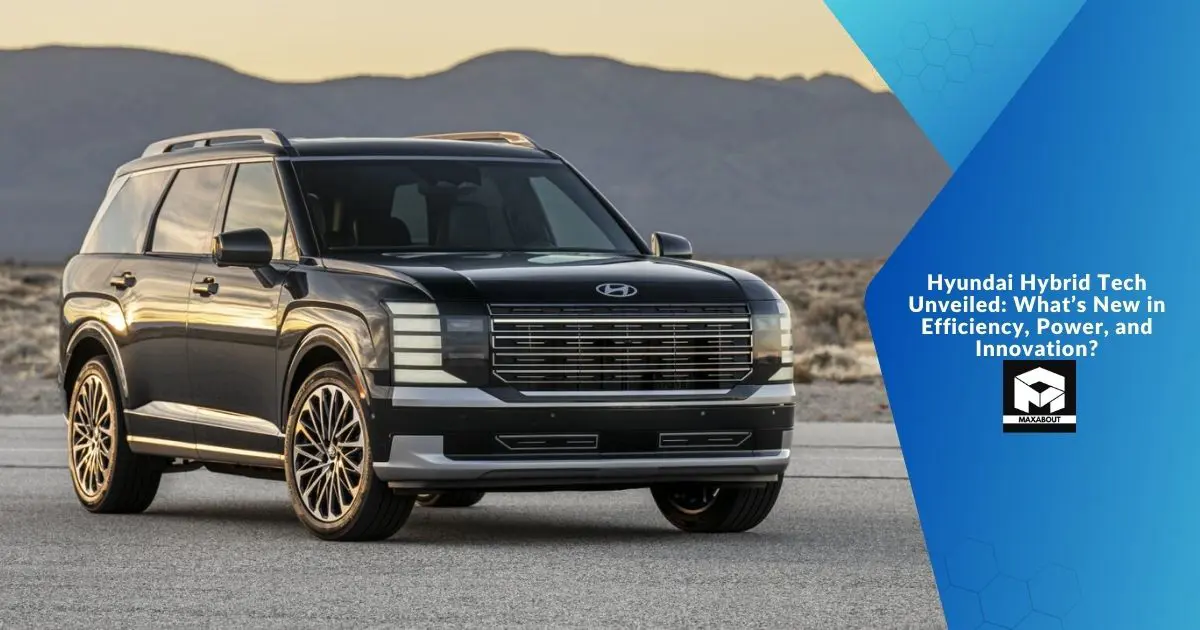
Hyundai has just revealed its latest hybrid systems, aiming to redefine what we expect from hybrid vehicles. This new technology promises to enhance performance and efficiency, making hybrids more appealing than ever. With a focus on eco-friendliness and innovative features, Hyundai is paving the way for a greener automotive future.
Hyundai is pushing the boundaries with its next-generation hybrid systems, focusing on innovative features that promise to redefine performance and efficiency. These advancements aren't just about incremental improvements; they represent a significant leap forward in hybrid technology.
The core of Hyundai's new hybrid system lies in its dual-motor setup. One motor is dedicated to starting the engine, generating battery power, and assisting with propulsion. The second motor handles the primary propulsion duties and regenerative braking. This division of labor allows for more efficient energy management and optimized performance. The integration of these two motors is designed to improve overall power output and fuel economy.
One of the standout features of this new hybrid system is its flexibility in engine pairing. It can be combined with a variety of internal combustion engines, whether they are naturally aspirated or turbocharged, and across different engine displacements. This adaptability allows Hyundai to implement the hybrid system across a wide range of vehicle classes, from compact cars to larger SUVs. This approach ensures that the benefits of hybrid technology can be enjoyed by a broader customer base.
Hyundai is making big claims about the fuel efficiency gains achieved with this new system. By optimizing the engine's combustion process, compression ratio, and piston design, they've managed to squeeze more miles out of every gallon. The dual-motor system also plays a crucial role, allowing for more efficient energy recovery through regenerative braking. The system also uses something called an 'over-expansion cycle' which is supposed to help with fuel efficiency.
The new hybrid system is designed to deliver a significant improvement in fuel efficiency compared to traditional internal combustion engines. This is achieved through a combination of advanced engine technologies, efficient energy management, and optimized motor performance.
Here's a quick look at some of the expected improvements:
Hyundai's not just sticking with one engine; they're also rolling out a new 1.6L hybrid engine. This smaller engine is designed for efficiency, aiming to give drivers a more economical option without sacrificing too much power. It's all about finding that sweet spot where you're not constantly at the gas station, but you're also not stuck in the slow lane. I'm curious to see how it performs in real-world conditions.
Okay, so the big news is the revamped 2.5L turbo hybrid. This engine is a powerhouse, designed to maximize efficiency through clever engineering. They've tweaked the engine's design and control tech to get the most out of every drop of fuel. One cool thing they're doing is using an 'over-expansion cycle.' Basically, it messes with the timing of the valves to make the engine work more efficiently. They've also improved the piston design and fuel injection to make the combustion process faster and more stable. The result? Better fuel economy and more power.
It's pretty impressive how much they've managed to squeeze out of this engine. The focus on combustion efficiency and minimizing power loss seems to be paying off big time.
Let's talk numbers. The 2.5L turbo hybrid in the new Palisade is supposed to get around 14.1 km/l. It also cranks out about 334 PS and 460 Nm of torque. That's a 45% jump in fuel efficiency and a 19% boost in power compared to similar gas-only engines. Here's a quick rundown:
It's not just about raw power, though. Hyundai's also focused on making the engine smoother and more refined. By connecting the P1 motor directly to the engine, they're cutting down on start times and making sure the engine runs in its most efficient range. All these improvements should add up to a better driving experience.
Hyundai is really pushing the envelope with its new hybrid systems, and a big part of that is the electrification tech they're packing in. It's not just about slapping a battery in there; they're thinking about how to make the whole driving experience better and more efficient. Let's take a look at some of the cool stuff they're doing.
Okay, so regenerative braking isn't exactly new, but Hyundai's smart regenerative braking takes it to another level. It's not just about slowing down and recouping some energy; it's about anticipating what's ahead. The system uses navigation data and information about other cars to figure out how much braking force to apply. This means less wear on your brakes and more juice for the battery. It's a win-win!
This is where things get really interesting. Vehicle-to-Load (V2L) is basically like having a giant portable power bank. You can plug in all sorts of stuff – power tools, camping gear, even your fridge if the power goes out. The new hybrid system can output up to 3.6 kW, which is similar to what you get with some EVs. You can use V2L while the engine is running, or even in Stay Mode without the engine. It's super handy for all sorts of situations. e-VMC is a great feature.
Ever wish you could just chill in your car with the AC running without burning a ton of gas? That's where Stay Mode comes in. It's like the Utility Mode in EVs, but for hybrids. You can use all the in-car features, like the AC and the multimedia system, without the engine kicking on. It'll run for up to an hour when the battery is between 70 and 80 percent. Plus, there's a "Stay Mode Usage Reservation" feature that charges the battery while you're driving, so it's ready to go when you arrive at your destination.
It's all about making the car more useful and comfortable, even when you're not actually driving. These features are designed to make life a little easier and more convenient.
Here's a quick rundown of Stay Mode benefits:
Hyundai is really stepping up its game when it comes to being green. They're not just throwing around buzzwords; they're putting in the work to make a real difference. It's cool to see a big company actually trying to do better for the environment.
Hyundai has set some pretty ambitious sustainability goals, and they're not shy about sharing them. It's not just about making electric cars; it's about reducing their carbon footprint across the board. From manufacturing to sourcing materials, they're looking at every step of the process. They're aiming for carbon neutrality, which is a huge deal. It's a long road, but they seem serious about getting there.
Okay, so everyone's talking about EVs, but Hyundai's actually doing it. They're not just making one or two models; they're planning a whole lineup. And it's not just cars; they're looking at trucks, SUVs, and even commercial vehicles. The goal is to have a fully electric range in the future. It's a big investment, but it shows they're serious about moving away from gas-guzzlers. Plus, they're working on improving battery technology, which is key to making EVs more practical for everyone.
Hyundai isn't just building eco-friendly cars; they're thinking about how these cars fit into people's lives. Features like Vehicle-to-Load (V2L) are pretty neat, letting you use your car's battery to power stuff when you're camping or during a power outage. And they're working on making charging easier and more accessible. It's all about making the transition to electric as smooth as possible for the average driver.
Hyundai is committed to creating vehicles that are not only environmentally friendly but also meet the needs of their customers. They are investing in research and development to create innovative technologies that will make their vehicles more efficient and sustainable.
Here's a quick look at some of their initiatives:
Hyundai's next-generation hybrid systems aren't just about saving fuel; they're also about boosting performance. The new 2.5L turbo hybrid, for example, delivers a significant increase in power compared to its gasoline-only counterpart. We're talking about a system output of 334 PS and 460 Nm of torque. That's a noticeable difference you'll feel when you hit the accelerator. The 1.6L turbo hybrid also gets a bump, with increased torque output for better acceleration. It's all about making the driving experience more engaging and responsive.
It's not just about raw power; it's about how that power is delivered. Hyundai is focusing on making the ride smoother and more comfortable. One key technology is e-Ride 2.0, which minimizes vertical movements when you drive over speed bumps. It's the kind of thing you might not consciously notice, but it makes a big difference in overall comfort, especially on longer drives. Also, engine clutch control minimizes transition time from EV mode, resulting in improved comfort and performance.
Nobody likes a noisy car, especially when you're trying to enjoy a relaxing drive. Hyundai is tackling this issue head-on with several new technologies. The P1 motor, for example, is used to reduce engine vibration and booming when the battery is charging while idle. This makes the cabin quieter and more pleasant. It's all part of creating a more refined and enjoyable driving experience.
The goal is to make these hybrids feel as smooth and quiet as a luxury car, without sacrificing the performance you expect from a modern vehicle. It's a delicate balance, but Hyundai seems to be hitting the mark.
Here are some of the technologies used to improve the driving experience:
The all-new 2026 Hyundai Palisade will be among the first to showcase Hyundai's next-generation hybrid system. This model marks a significant step in integrating hybrid technology into larger vehicle classes. The Palisade hybrid promises a blend of fuel efficiency and the spaciousness families expect. It's expected to feature the new 2.5-liter turbo hybrid powertrain, offering a balance of power and economy. I'm really curious to see how this new system will affect the driving experience, especially in a larger SUV like the Palisade. I'm hoping it will be a game changer for the segment.
Hyundai is planning to more than double its hybrid lineup in the coming years. This expansion isn't just about adding more models; it's about offering hybrid options across a wider range of vehicle types. They're looking at everything from compact cars to luxury vehicles. The goal is to provide consumers with more choices, regardless of their needs or budget. This is a smart move, as it allows Hyundai to cater to a broader audience and accelerate the adoption of hybrid technology. The new hybrid system will be applied to a variety of Hyundai, Kia, and Genesis models.
Hyundai's commitment to hybrid technology extends beyond just a few select models. They plan to integrate their new hybrid system into diverse vehicle classes. This includes:
By tailoring the hybrid system to the specific characteristics of each vehicle class, Hyundai aims to optimize performance and fuel efficiency across its entire lineup. This approach demonstrates a comprehensive strategy for electrification, rather than a piecemeal effort. I think this is a great way to make hybrid technology more accessible and appealing to a wider range of consumers.
This strategy ensures that consumers can find a hybrid vehicle that suits their specific needs and preferences. It's a bold move that could set Hyundai apart from its competitors.
Hyundai's next-generation hybrid systems are poised to shake up the automotive world. By focusing on both performance and efficiency, they're not just tweaking existing tech, but aiming to redefine what consumers expect from a hybrid. This could force other automakers to step up their game, leading to better hybrids across the board. It's all about raising the bar.
These new hybrid systems give Hyundai a serious edge. Think about it: improved fuel economy, better performance, and features borrowed from EVs like smart regenerative braking. That's a compelling package. Plus, with the ability to pair the system with different engines, Hyundai can offer a wider range of hybrid models, appealing to more buyers. It's about being flexible and offering something for everyone. The hybrid vehicle market is getting more competitive, and Hyundai is ready.
Will people actually buy these new hybrids? All signs point to yes. Consumers are increasingly interested in fuel-efficient vehicles, but many aren't ready to go fully electric just yet. Hybrids offer a nice middle ground. With features like vehicle-to-load (V2L) functionality and improved driving dynamics, Hyundai's hybrids are designed to win over even the skeptics. It's about making eco-friendly cars that are also fun and practical.
The key to success will be clear communication about the benefits of these new systems. People need to understand how they work, why they're better, and how they can save money at the pump. If Hyundai can get that message across, they're in a great position to capture a significant share of the hybrid market.
Here's a quick look at what consumers are looking for:
In conclusion, Hyundai's new hybrid system marks a big step forward for the company and the hybrid vehicle market. With improvements in power and efficiency, it looks like they’re really trying to set a new standard. The features like smart regenerative braking and vehicle-to-load functionality show they’re thinking about the future and what drivers want. As they roll out this technology across various models, it’ll be interesting to see how it performs in real-world conditions. Overall, Hyundai seems committed to making eco-friendly vehicles that don’t compromise on performance, and that’s something we can all get behind.
Hyundai's new hybrid powertrain combines a 1.6L engine and a turbocharged 2.5L engine, designed to be more efficient and powerful.
The new system offers better fuel efficiency, improved performance, and features like smart regenerative braking and vehicle-to-load functionality.
The new hybrid technology will be available in various models, including the upcoming 2026 Hyundai Palisade.
The dual-motor setup helps with starting, generating battery power, and provides smooth driving while reducing noise and vibrations.
Hyundai aims to double its hybrid offerings and transition to more electric vehicles, focusing on sustainability and customer-friendly innovations.
Customers can look forward to a wider variety of hybrid models, improved performance, and advanced features that enhance the driving experience.
Maxabout Team
Editorial Team
Specializes in: Automotive News, Reviews, Analysis
Continue Reading
Scroll down or click the button above to load more articles
Want to read more automotive news?
Stay updated with the latest car launches, reviews, and industry insights.
Browse All News