
Why 75 Ola Electric Stores Closed?
Recently, 75 Ola Electric showrooms in Maharashtra were shut down due to serious compliance issues. The crackdown was initiated by the state's transport authorities after inspections revealed that a significant number of these showrooms were operating without the required trade certificates. Th...
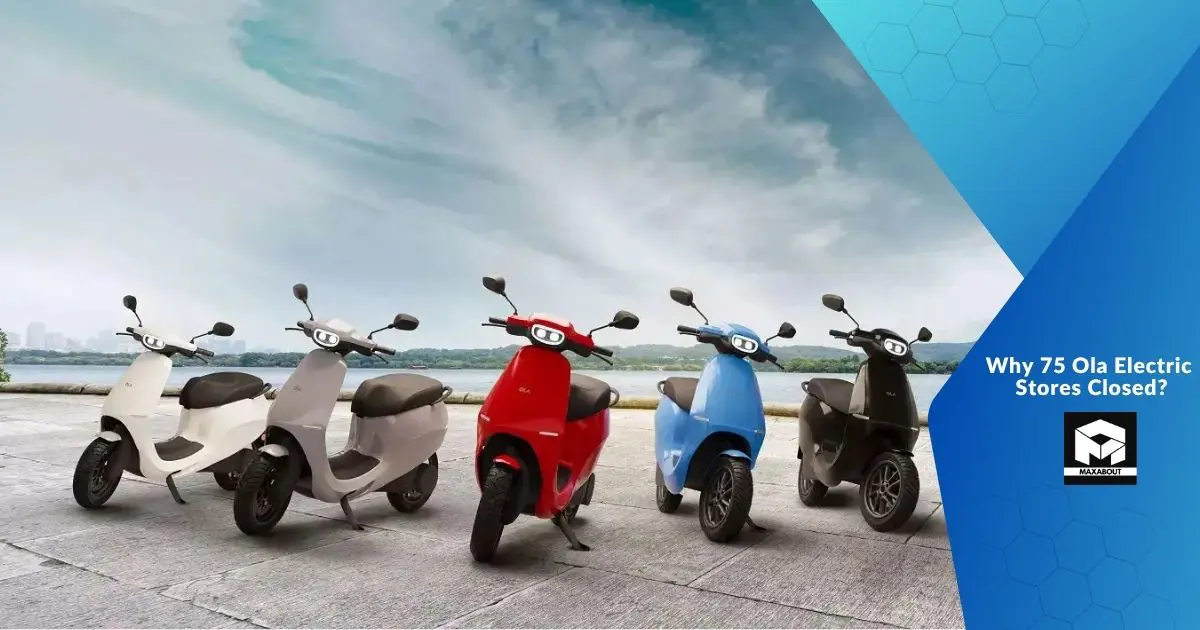
Recently, 75 Ola Electric showrooms in Maharashtra were shut down due to serious compliance issues. The crackdown was initiated by the state's transport authorities after inspections revealed that a significant number of these showrooms were operating without the required trade certificates. This situation has raised questions about the company's practices and future in the region.
The primary reason behind the closure of 75 Ola Electric showrooms in Maharashtra boils down to a lack of proper trade certificates. These certificates are mandatory for dealerships to operate legally, and without them, the showrooms are in direct violation of state regulations. It's like trying to drive a car without a license; sooner or later, you're going to get pulled over. This issue highlights a critical oversight in Ola Electric's initial setup and management of its dealership network.
The Maharashtra government, specifically through its regional transport offices (RTOs), issued a directive to shut down any Ola Electric outlets operating without the necessary trade permits. This wasn't a suggestion; it was an order. The government's stance is clear: compliance with regulations is non-negotiable. This action underscores the state's commitment to enforcing its laws and ensuring that all businesses, including electric vehicle dealerships, adhere to the established legal framework. The directive came after inspections revealed widespread non-compliance among Ola Electric showrooms.
The shutdowns have had a significant impact on Ola Electric's business operations in Maharashtra. With a substantial number of showrooms closed, the company faces several challenges:
The closures have forced Ola Electric to reassess its operational strategies and prioritize compliance with regulatory requirements. This situation serves as a wake-up call, highlighting the importance of due diligence and adherence to legal standards in business operations.
The long-term effects could include a loss of market share and increased scrutiny from regulatory bodies. The company must now focus on rectifying these issues to regain stability and rebuild confidence among customers and stakeholders.
The Maharashtra government's crackdown on Ola Electric showrooms has been pretty intense. It's not just a few stores here and there; it's a widespread operation affecting a significant portion of their retail presence in the state. Let's break down the numbers and what they mean.
So, how many showrooms actually got checked out? Well, according to the reports, RTOs inspected 146 Ola Electric locations across Maharashtra. That's a pretty substantial sample size, giving a good overview of compliance levels. It shows they weren't just picking on a few random spots; they were doing a thorough sweep.
Out of those 146 inspected locations, a whopping 121 were found to be non-compliant. That means around 83% of the inspected showrooms didn't have the necessary trade certificates. That's a huge number, and it really highlights the scale of the problem. It's not just a minor oversight; it's a systemic issue.
The immediate fallout from these inspections was pretty swift. The government didn't mess around. They instructed RTOs to shut down any showroom or service center operating without a valid trade certificate. And they meant business. Within just 24 hours, 75 Ola Electric outlets were closed. Plus, these outlets had their access to the state’s vehicle registration system disabled. Ouch. That's a serious blow to their operations.
This whole situation underscores the importance of following regulations. It's not just about ticking boxes; it's about ensuring you're operating legally and ethically. When companies cut corners, they risk facing serious consequences, like the ones Ola Electric is dealing with right now.
The crackdown on Ola Electric showrooms in Maharashtra for operating without valid trade certificates could lead to significant financial repercussions. The Motor Vehicles Act outlines penalties for non-compliance, and Ola Electric may face substantial fines for each showroom found to be in violation. These fines could accumulate rapidly, impacting the company's financial stability. Furthermore, the seizure of 192 electric scooters adds another layer of financial strain, as these assets are temporarily removed from the market and potentially subject to further penalties. The exact amount of fines will depend on the specific regulations and the discretion of the authorities, but it's clear that the financial burden could be considerable.
The legal troubles in Maharashtra could have a ripple effect on Ola Electric's future operations. The immediate shutdown of 75 showrooms disrupts the company's sales and service network, potentially leading to decreased sales and customer dissatisfaction. More than just locking showrooms, the incident raises questions about Ola Electric's compliance practices and internal controls. This could lead to increased scrutiny from regulatory bodies in other states, potentially resulting in further inspections and enforcement actions. The company may need to invest heavily in strengthening its compliance infrastructure and training its staff to ensure adherence to all relevant regulations. This could delay expansion plans and divert resources from other strategic initiatives. The long-term impact on Ola Electric's operations will depend on its ability to address these issues promptly and effectively. The company's expanded to 4,000 stores nationwide, so this is a big deal.
Ola Electric has responded to the allegations by stating that the claims are "speculative, incorrect, and misplaced." The company insists that it is actively applying for trade certificates across all Maharashtra locations and is working closely with RTOs to resolve any queries and restore operations promptly. However, this response may not be enough to quell the concerns of regulators and customers. Ola Electric needs to demonstrate a clear commitment to compliance by taking concrete steps to rectify the situation. This could include:
A more proactive and transparent approach is needed to rebuild trust with regulators and customers. The company's future success in Maharashtra, and potentially across India, hinges on its ability to demonstrate a genuine commitment to compliance and ethical business practices.
Okay, so, the word on the street? People aren't thrilled. You see a lot of frustration online. Some customers are straight-up angry about the shutdowns, especially if they need service or have been waiting on parts. There's a general feeling of uncertainty about Ola's future in Maharashtra, and that makes people nervous about their investments. It's not just about the inconvenience; it's about whether Ola can actually deliver on its promises.
No surprise here, sales are probably taking a hit. Who wants to buy a scooter from a company that might not be around next month? Potential buyers are likely holding off, waiting to see how this whole situation shakes out. Existing customers might be regretting their purchase, and that kind of negative buzz spreads fast. It's a classic case of bad press leading to a drop in demand. The sales numbers for February 2025 already showed some discrepancies, and this latest mess probably isn't helping.
Trust? Yeah, that's been damaged. When showrooms close down unexpectedly, it sends a message that the company isn't stable. And when you add in the reports of showrooms operating without proper certificates, it looks even worse. People start to wonder if Ola is cutting corners, and that makes them question the quality of the scooters themselves. Rebuilding that trust will take time and effort, and it starts with Ola being transparent and fixing the problems.
It's a tough spot for Ola. They need to address these issues quickly and show customers that they're committed to doing things the right way. Otherwise, they risk losing a lot more than just a few showrooms.
The electric vehicle (EV) market is still relatively new, but it's growing fast, and governments are working to keep up with regulations. It's a bit of a moving target, but here's the gist of what's happening.
The Motor Vehicles Act is the main law governing road transport. It covers everything from driver's licenses to vehicle registration. For EVs, it sets the basic rules of the road, but specific regulations are still being developed. It's important to note that compliance with the Motor Vehicles Act is essential for any automotive business.
Trade certificates are basically licenses for dealerships to operate legally. They ensure that businesses selling vehicles meet certain standards and can properly register the vehicles they sell. Without a valid trade certificate, a dealership can't legally sell or showcase vehicles. In the case of Ola Electric, the lack of these certificates led to shutdowns and discrepancy in sales.
The EV market is evolving rapidly, so regulations are likely to change. Here are a few things to keep an eye on:
It's expected that governments will continue to refine regulations to support the growth of the EV market while ensuring safety and environmental protection. This includes addressing issues like battery standards, charging infrastructure, and trade practices.
It's a bit of a wild west right now, but expect things to get more structured as the EV market matures. The recent crackdown on Ola Electric highlights the importance of vehicle sales permit compliance.
In the end, the closure of 75 Ola Electric showrooms in Maharashtra highlights some serious issues within the company. It’s a wake-up call for Ola, showing that they need to get their act together when it comes to compliance. The lack of valid trade certificates is a big deal, and it’s clear that the company has some work to do to regain trust. With so many complaints and now these shutdowns, it’s going to be tough for them to bounce back. They’ve got to figure out how to meet regulations and keep customers happy if they want to stay in the game. This situation is definitely one to watch as it unfolds.
The showrooms were closed because they did not have the necessary trade certificates required by law to sell vehicles.
A total of 75 Ola Electric showrooms were shut down after inspections revealed they lacked valid trade certificates.
Trade certificates are official documents needed to legally sell or display vehicles. Without them, businesses cannot operate properly.
The government ordered the closure of non-compliant showrooms and disabled their access to the vehicle registration system.
Many customers expressed disappointment and concern over the closure, leading to trust issues with the brand.
Ola Electric has stated that it is working on obtaining the necessary trade certificates for all its stores in Maharashtra.
Maxabout Team
Editorial Team
Specializes in: Automotive News, Reviews, Analysis
Continue Reading
Scroll down or click the button above to load more articles
Want to read more automotive news?
Stay updated with the latest car launches, reviews, and industry insights.
Browse All News